
Have you ever wondered why, even after spending good money on prescription pet food, your cat still doesn’t seem vibrant, energetic, or truly healthy?
Many pet parents assume that if a food comes from a veterinarian and is labeled “prescription,” it must be the gold standard for health. But when we take a closer look at what’s actually inside many prescription weight-loss diets, the picture can be surprising and disappointing.
Today, we’re breaking down what’s really in some popular prescription foods, why they often fall short for cats, and how a natural, whole-food approach can lead to healthier weight loss and better long-term wellbeing.
What’s Really in Popular Prescription Weight-Loss Diets?
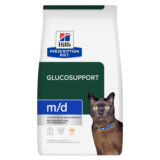
Image source: hillspet.ca
Let’s look at an example many cat owners recognize: Hill’s Prescription Diet m/d GlucoSupport Dry Cat Food, commonly recommended for weight management and blood sugar support.
The first ingredients listed are:
- Chicken by-product meal
- Corn protein meal
- Wheat gluten
- Potato protein
- Cellulose
Pause for a moment.
Cats are obligate carnivores — their bodies are biologically designed to thrive on animal-based protein and fat, not plant proteins and fillers.
- Chicken by-product meal is not real meat. It’s a mixture of leftover chicken parts—such as feet, undeveloped eggs, and internal tissues—after the usable meat has been removed. It’s inconsistent in quality, and far inferior to whole, identifiable chicken meat.
- Corn protein meal and wheat gluten are cheap plant-based fillers that cats simply aren’t built to eat. These ingredients strain digestion, deliver no real nutrition, and have no place in food designed for a carnivore. They should NEVER be in any pet food.
- Cellulose is a refined plant fiber derived from wood pulp. It’s often added to increase bulk and reduce calories, and does not nourish the body.
While these formulas are marketed as “scientific” or “therapeutic,” real science agrees on one key point: cats need meat to thrive. Ultra-processed, plant-heavy diets may lead to weight loss on the scale, but that loss can come at the expense of muscle mass, energy, and overall vitality. Cats cannot thrive on this formula, and ones like it, that are full of ingredients they are not biologically designed to eat.
Over time, cats may experience:
- Low energy
- Poor digestion
- Dull or dry coat
- Reduced muscle tone
- Chronic inflammation
Weight loss alone isn’t health — especially if the body isn’t being properly nourished.
What Real, Species-Appropriate Pet Food Looks Like
At Tail Blazers, we take a very different approach.
Food shouldn’t just suppress symptoms.
It should nourish, support, and strengthen the body.
That means avoiding:
- By-products
- Corn, wheat, and soy
- Artificial colours and flavours
- Cheap filler ingredients
- Artificial preservatives like ethoxyquin or BHT
Instead, we focus on whole-food ingredients that your cat’s body instantly recognizes as food.
When pets eat what they’re designed to digest, the results are often dramatic:
- Healthy, natural weight loss
- Lean muscle maintenance
- Cleaner teeth
- Shinier coat
- Easier digestion
- Better metabolism
- More energy and vitality
Whether you choose raw, freeze-dried, air-dried, or a truly high-quality dry food, real nutrition consistently outperforms poorly digested prescription filler-based diets.
A Healthier Weight-Management Option for Cats
For cats needing weight support, raw food is the gold standard for species-appropriate nutrition.
One example of a Tail Blazers recommended food is Red Dog Blue Kat Raw – Turkey Recipe.
Let’s compare it to a typical prescription weight-loss kibble.
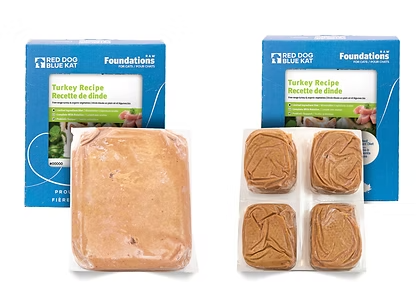 The top ingredients in this raw recipe are:
- Free-range turkey meat
- Ground turkey bone
- Turkey organs
- Free-range egg
That’s 97% meat, ground bone, and organs — EXACTLY what a carnivore is meant to eat.
Here’s why it benefits your cat:
- High-quality turkey meat provides real protein to maintain muscle and energy.
- Ground bone supplies natural calcium and minerals for strong teeth, bones, and joints.
- Organs are nutritional powerhouses, rich in vitamins, amino acids, and essential nutrients that synthetic additives can’t fully replicate.
- Natural moisture supports hydration and urinary health — something dry kibble lacks.
This mirrors a cat’s natural diet and supports weight loss without starvation, deprivation, or metabolic stress.
Important tip: Even with the best food, portion control matters. Cats should never be free-fed. Scheduled, measured meals are essential for healthy metabolism and sustainable weight management. Talk to your local Tail Blazers team to create a personalized feeding plan based on your cat’s current weight and weight-loss goals.
The Bottom Line
Prescription weight-loss diets are often marketed as the solution to your cat’s health issues — but many rely on fillers, plant proteins, and ultra-processed ingredients that don’t align with feline biology.
Cats don’t need diet food.
They need real food.
Whole, digestible, species-appropriate nutrition supports healthy weight loss while improving energy, digestion, coat quality, and long-term wellbeing.
Your cat deserves:
- Real ingredients
- Real nourishment
- Real results
If you’d like help choosing the best nutrition plan for your cat, visit Tail Blazers. Our team is always happy to provide personalized, honest guidance to help your pet thrive.
Disclaimer: This article reflects the opinions of Tail Blazers Pets and is not intended to replace the advice of your veterinarian or pet health professional.
