

Kidney disease is one of the most common chronic health conditions affecting dogs and especially cats as they age. When the kidneys begin to lose function, nutrition becomes one of the most important tools for helping manage the disease and maintaining quality of life.
Many veterinarians recommend prescription renal diets as the primary dietary approach. However, when pet owners take a closer look at the ingredient lists in many of these formulas, they may be surprised by what they find (or don’t find!).
Understanding Kidney Health in Pets
The kidneys perform several critical functions in the body. Their primary job is to filter waste products and toxins from the bloodstream, which are then eliminated through urine. They also help regulate hydration, electrolyte balance, and red blood cell production.
When the kidneys begin to lose function, waste products that would normally be filtered out start to accumulate in the bloodstream. This can lead to symptoms such as:
- Increased thirst and urination
- Weight loss
- Reduced appetite
- Lethargy
- Vomiting or nausea
Management focuses on slowing progression and supporting remaining kidney function, as damage cannot be reversed.
Blood tests for kidney disease often show elevated levels of:
- Blood Urea Nitrogen (BUN)
- Creatinine
- Phosphorus
By the time phosphorus levels rise significantly, as much as 85% of kidney function may already be compromised.
What Harms the Kidneys?
There are many potential causes of kidney disease in dogs and cats.
Acute kidney injury can occur from:
- Toxic exposure
- Certain medications
- Severe dehydration
- Bacterial infections such as leptospirosis
- Trauma
Chronic kidney disease may develop due to:
- Age-related degeneration
- Genetic predisposition
- Chronic inflammation
- Previous kidney injury
- Long-term dietary factors
Herbalists and authors Mary Wulff-Tilford and Gregory Tilford write that kidney disease and dysfunction are often caused or worsened by poor dietary quality, particularly highly processed commercial foods.
Another concern frequently discussed is the excess phosphorus in many commercial pet foods. Some foods may contain phosphorus levels five to nine times higher than what is biologically required, which can contribute to long-term kidney strain.
The Protein Myth: Is Protein Bad for the Kidneys?
For many years, pet owners were told that high protein diets could damage the kidneys. However, modern research has challenged this belief.
Veterinary nutritionist Dr. Patricia Schenck explains that:
Feeding low levels of dietary protein does not protect against the development of kidney disease.
In fact, reducing protein too much can create other health problems.
Older pets may require up to 50% more protein to maintain muscle mass and body condition. If dietary protein is too low, the body may begin breaking down its own muscle tissue to meet its needs, which can actually produce more metabolic waste than consuming adequate high-quality protein.
According to Schenck, protein restriction may only become necessary in advanced kidney failure, when waste products like BUN begin to accumulate to dangerous levels.
Dr. Hofve also notes that phosphorus—not protein—is often the more important nutrient to manage in kidney disease.
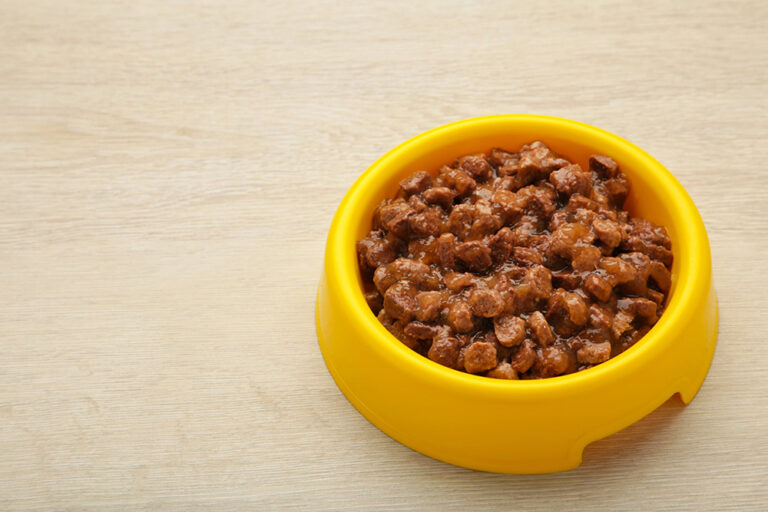
Why Moisture Matters — Especially for Cats
Hydration plays a major role in kidney health.
Cats evolved as desert animals and naturally obtain most of their moisture from food. Dry kibble diets contain very little water, which may contribute to chronic dehydration.
Dr. Jean Hofve has noted that feeding only dry food may promote persistent low-grade dehydration, which can place additional stress on the kidneys over time.
For cats especially, focus on moisture-rich diets, including:
- Raw diets
- Canned foods
- Fresh or lightly cooked foods
- Homemade diets (formulated properly)
Looking at Prescription Renal Diet Ingredients
Prescription kidney diets are often marketed as being specifically formulated to support kidney health by lowering phosphorus and sodium.
However, ingredient lists can reveal a different story on supporting health.
Let’s examine two common examples.
Feline – Purina Pro Plan NF Renal Function Early Care
First 9 Ingredients (2026)
Corn Protein Meal, Tuna, Barley, Whole Grain Corn, Soybean Meal, Animal Fat Preserved With Mixed Tocopherols, Potato Protein, Liver Flavor, Powdered Cellulose
Nutritional Analysis
Moisture: 12%, Protein: 33%, Fat: 13%,
Ingredient Concerns
Key ingredients include:
Corn protein meal, Soybean meal & Potato Protein
Lower cost concentrated plant proteins often used to boost protein numbers on the label rather than supplying more species appropriate animal-based protein.
Whole Grain Corn
Often used as an inexpensive ingredient in pet foods, corn is primarily a carbohydrate source and offers limited nutritional value for carnivores compared with meat-based ingredients, in addition to being difficult to digest.
Powdered cellulose
Essentially purified plant fiber, often derived from wood pulp and used as a bulking agent.
Thankfully tuna is the 2nd ingredient in this formula, but overall, this formula raises questions about whether the formula provides the type of highly digestible, species-appropriate nutrition carnivores require.
Prescription Renal Diets for Dogs
Similar ingredient patterns appear in many canine renal diets.
For example:
Hill’s Prescription Diet k/d Canine Renal Health (Dry)
The first six ingredients are:
- Brewers Rice
- Chicken Fat
- Brown Rice
- Whole Grain Sorghum
- Chicken
- Dried Beet Pulp
Chicken appears only after several carbohydrate heavy ingredients.
The formula contains approximately 15.6% protein, which is extremely low.
Many experts argue that excessively low protein intake may lead to:
- Muscle loss
- Reduced immune function
- Poor wound healing
- Reduced metabolic activity
These ingredients are inexpensive carbohydrate sources that provide minimal biological value for dogs.

Nutritional Strategies for Supporting Kidney Health
While phosphorus management is very important, many holistic veterinarians emphasize the importance of maintaining adequate protein quality, moisture, and overall ingredient quality. According to Dr. Judy Morgan, protein is reduced when protein loss in the urine becomes too high, or when BUN levels reach 150–200 and cannot be lowered.
Some commonly recommended strategies for early stages of kidney issues include:
Choosing Lower-Phosphorus Proteins
Examples include:
- Whitefish (cod, tilapia, sole)
- Lean pork
- Lean beef
- Green tripe
- Egg whites
Egg whites are particularly useful because they provide high-quality protein with very little phosphorus.
Limiting High-Phosphorus Foods
Foods to reduce include:
- Organ meats
- Fish containing bones
- Egg yolks
- Cheese
- Large amounts of raw meaty bones
Veterinarian Dr. Judy Morgan recommends feeding the WHOLE EGG. The yolks are higher in phosphorus, but they are blood tonics and have fat soluble vitamins (Vitamin A, D, E and K) and are very important for pets with kidney disease.
Prioritizing Moisture
Moisture-rich diets help support hydration and kidney function.
Options include:
- Raw diets (best choice for most pets)
- Canned foods
- Dehydrated foods rehydrated with water
- Homemade diets (formulated properly)
The Bottom Line
Kidney disease cannot be reversed, but diet plays a powerful role in slowing its progression and maintaining quality of life.
While prescription renal diets aim to control phosphorus and sodium levels, ingredient lists often reveal heavy reliance on plant ingredients and fillers rather than high-quality animal ingredients needed for long term health.
For many pets, a carefully selected diet built around high-quality ingredients, appropriate protein levels, controlled phosphorus, and adequate moisture may offer better long-term support for kidney health.
At Tail Blazers, we focus on foods made with high-quality animal ingredients to help support long-term health and vitality.
If your dog or cat has kidney concerns, our team can help you explore nutritional options that prioritize real food and whole-body wellness.
Visit your local Tail Blazers store to learn more about kidney-supportive nutrition for your pet.
Note: This article is not meant to replace the advice of a qualified pet practitioner.
Dobias, Peter Dr. “Holistic Approach to Kidney Disease Treatment” (www.peterdobias.com)
Hamilton DVM, Don. Homeopathic Care for Cats and Dogs. North Atlantic Books, California. 1999 (p.213-223)
Hofve, Jean Dr. Kidney Disease in Cats and Dogs (from www.onlynaturalpet.com)
Pitcairn, Richard and Susan Hubble Pitcairn, DVM. Natural Health for Dogs and Cats. Rodale Press, Pennsylvania. 1995. (p. 361-366)
Schenck DVM, Patricia. Dietary Protein and the Kidney. (Article from Urban Carnivore)
Tilford, Mary L. Wulff-Tilford and Gregory L. Tilford. Herbs for Pets. Bow Tie Press, California. 1999 (p. 352-353)
https://www.whole-dog-journal.com/health/a-low-protein-kidney-diet-is-not-always-the-answer/
